
✔ Here's what to do⭑ Pain relief tablets lengthen healing times for knees and ankle injuries - item #1. ⭑ Why sprains hurt more at night - this is natural, learn why - item #2. ⭑ Amazingly this diet speeds sprain and strain recovery! Here's why - item #3. ⭑ Your instinct to rest your sprained knee or ankle is outdated - item #4. I trust you are well and active. The most common "goodbye" to amateur runners from their physiotherapist is "remember, don’t do too much too soon". I didn't listen (again), and cooked my left knee. The good news? I have some useful tips to share with you about tendon and ligament injuries. It helps to know that tendons connect muscles to bones whereas ligaments connect bone to bone. Tendons are generally stronger and better shock absorbers, such as from jumping, than ligaments. Ligaments are more elastic because they have to bend with joints but still hold the joints together. Tendons suffer from strain injuries - muscle to tendon - and ligaments suffer from sprain injuries - tear of the ligament. They both have poor blood supply and heal slowly. There are common vexed questions about knee and ligament injuries, for example, should I take aspirin or ibuprofen? Is it better to rest and keep the knee immobilised or keep moving and walking? Should I keep exercising or will it make things worse? Are there foods that will help my ligaments recover faster? Why does it hurt so much at night should I see a doctor? I dug deeply and found scientifically validated answers. Read on to learn how to worry less about the pain at night, accelerate the growth of stronger tendons and ligaments and shorten the recovery time through exercise. // 01 To Tablet or Not To Tablet? The Definitive Answer After injuring my right hamstring 14 months ago I was coming back into running form and at the Wednesday night athletics 10 days go the crowd cheered me on "Walter's back!". Harder I pushed. The next morning I could barely walk, the pain in my left knee was excruciating. I did too much too soon. It is during this period of high pain, and even higher during the night - more on this below - that we generally reach for an aspirin or ibuprofen. ⇒ For faster healing it is best to not take these. The initial acute period is stimulated by a rush of white blood cells and bleeding, swelling and pain usually for 7 to 10 days. This period ends when the body has the removed enough debris, germs, and damaged tissue to start the actual healing process. At this time, our body stimulates release of powerful analgesics (SPMs) and in turn the SPMs trigger the release of specialist chemical messengers which start the healing process. At this time you will notice the daytime decrease considerably. In my case, at day 9, the daytime pain level dropped by about 50%. What this means for you ... Emerging research evidence reveals NSAIDs e.g. aspirin (such as Disprin) ibuprofen (such as Nurofen) naproxen (such as Naprosyn), may prolong pain duration by suppressing the SPM activity necessary for the healing process to begin. In other words, NSAIDs may provide short-term pain relief but compromise long-term healing and extend overall pain duration. Now, hold on to your seat, because for the same biological reason the ICE component of the near-universal RICE method (Rest-Ice-Compression-Elevation) will also provide short-term pain relief but compromise long-term healing and extend overall pain duration. Ice constricts blood vessels, decreasing blood flow and oxygen/nutrient delivery at the injury. But increased blood flow and some swelling are essential components of effective damage control. ⇒ If you can stand the pain, the evidence says to avoid NSAIDS and icing for faster overall healing. // 02 Yes, Nighttime Pain IS Worse. Don't Panic Should I see a doctor? Is it getting worse? Why is it SOOO painful? You *might* need to see a doctor - I don't know - but don't panic *just* about the nighttime pain of your sprain or strain - it's normal. Our circadian rhythm includes a cortisol cycle. Cortisol keeps us alert and aware and ready for "fight or flight". It helps our brain override, or smother, little niggles and pains which otherwise might make us hesitate to run from a lion i.e. because we have a sore knee. An hour or so after your usual bedtime your body turns down your cortisol levels so that you can enter deep restorative sleep. ⇒ The reduced cortisol also allows your body to become aware of all your little niggles and pains and then take action to attend to them, like a micro-version of the drama going on with your knee or shoulder or ankle. Unfortunately this also means that your sprained ankle or knee REALLY hurts - you can’t escape it no matter which way you place your leg or foot. But the underlying injury is not worse, you are just feeling it "unmasked". What this means for you ... Consider these two scenarios:
The high pain should quell between 7 and 10 days, if it doesn’t then get advice. Mine dropped by about half at day 9, which is typical for older adults. // 03 How Diet Helps Healing Tendons - Timing and Dose Matter Other than water our ligaments are 85% collagen. During tissue repair your body must synthesise new collagen, which requires specific amino acids (proline and hydroxyproline) plus vitamin C as a critical enzyme cofactor. (Without vitamin C, the enzymes that cross-link and stabilise collagen fibres cannot function properly.) A clinical trial using hydrolysed collagen peptides (dosed at 5 grams daily) combined with vitamin C supplementation showed significantly faster collagen synthesis and pain reduction compared to no dietary intervention in tendon injuries. Research points to this combination being even more effective at accelerating healing when we are older, but without conclusive evidence yet. What this means for you ... Targeted nutrition supporting the specific biochemical process your body needs for healing works:
Start these immediately if injured; they're particularly important weeks 2–8 when collagen remodelling accelerates. ⇒ However, all this is not a magic cure - it only works alongside appropriate rehabilitation - see the next item. //
04 Light Exercise Accelerates Healing Should you immobilise, or try to keep moving, if you've a sprain or strain? Obviously you should not push hard or try to work through bad pain. Take it slowly. However validated research has shown that people who focus on early mobilisation recover strength up to 60% faster and return to activity weeks earlier than those to stay immobilised. In fact the Sanford Health evidence-based MCL rehabilitation guideline now prescribes immediate pain-tolerated walking and stationary biking beginning day 1, with progressive resistance as swelling decreases. Why? Because controlled movement stimulates fibroblasts (the cells rebuilding ligament tissue) to lay down collagen in organised, load-bearing patterns. IF YOU HAVE A COLLAGEN enhanced diet, as above, this will boost the effect of your early mobilisation exercises. On the other hand immobilisation produces disorganised, weaker collagen that remains vulnerable to re-injury. Additionally, early mobilisation prevents the vicious cycle of deconditioning, muscle loss, and proprioceptive loss (sense of knowing the orientation of the joint) that plague completely immobilised joints. What this means for you ... If you’re over 50 and injured, your instinct to “rest completely” is outdated. Progressive weight-bearing - starting with gentle walking and progressing to stationary biking (5–10 minutes initially, advancing to 20+ minutes as tolerated) - accelerates tissue healing and functional recovery. For moderate severity sprains, this translates to the restoration of near normal functional capacity at around 6–8 weeks instead of 12–16 weeks. ⇒ The prescription: Week 1–3: normalise walking (pain-free gait without limping), biking 10–20 minutes daily. Week 3–6: add hamstring curls, double-leg leg presses or squats that you can tolerate, and step-ups; introduce pain-free running if 75% strength is achieved. Week 6+: lateral movements, sport-specific activities. Read your body. Find movement that suits your stage of recovery and keep doing it. The Big Picture If you’re over 50 and fit (running, strength training, kettlebells), your injury recovery follows the same principles as younger athletes - with one key difference: slower kinetics. Masters athletes over 70 achieve comparable long-term functional outcomes to younger cohorts, but each recovery phase extends approximately 1–2 weeks longer. For example, a moderate severity (Grade II) MCL sprain that resolves in 4–6 weeks for a 35-year-old may require 6–8 weeks for you. If it is a repeat injury then it will take longer. Thanks for reading! Photo by Bret Kavanaugh on Unsplash Plus, to reduce risk of early death forget your weight and start measuring your waist, says global study of 2.5 million people[Copy of my weekly newsletter] Surprisingly, intermittent fasting has been found to improve our brain health and functioning - see #1. Forget the scales, measure your waist - check item #2. The pandemic has more people exercising - are you one of them? - item #3. The reverse lunge with front-kick is one of my fav movements, for all purposes - item #4. #staysafe #keepmoving #stayhealthy Here are my 4 Most Valuable pieces of content from around the web, to help you live longer better:
⭑ Your brain will stay brighter for longer if fasting is part of your life ⭑ Even if your BMI and weight is good your belly fat might kill you earlier ⭑ The ways we've reacted positively to the pandemic ⭑ Kicking your way to better balance and less hip pain Photo by Yurii Fadeev on Unsplash Plus, Grandma was right - eat your beets. They strengthen our lungs and keep Covid at bay[Copy of my weekly newsletter] Simple light therapy helps maintain our hormonal balance, says Cleveland Clinic. Recent research found that beetroot is better for us then even Grandma said! Can you imagine eating lab-grown sushi - some call it FrankenFish - what do you think, read on. And there's a lying exercise with a towel that will strengthen your whole body, you can do every morning easily. #staysafe #keepmoving #stayhealthy

Here are my 4 Most Valuable pieces of content from around the web, to help you live longer better: ⭑ Serving breakfast with a side of light therapy will put you in a better mood ⭑ The humble beetroot deserves more credit ⭑ FrankenFish may be healthier than farmed fish! ⭑ How to extend your core and strengthen your back and shoulders Plus, fitness equals longer life no matter how overweight you are[Copy of my weekly newsletter] If you're a pet lover then you'll be interested to know that your cat wants a bit more space - lockdown is cramping its style. On the other hand, your dog is loving the attention
Here are my 4 Most Valuable pieces of content from around the web, to help you live longer better: ⭑ When medicine fails your pain - try the mind-body connection ⭑ Walking is the best way to kick off your fitness ⭑ You're getting on your cat's nerves ⭑ A single-leg strength exercise that should be on your daily schedule Newsletter: True or false - A Nightly Protein Shake Will Help You Lose Weight? We Examine The Facts8/3/2020 Plus, Should you try a vegan diet?
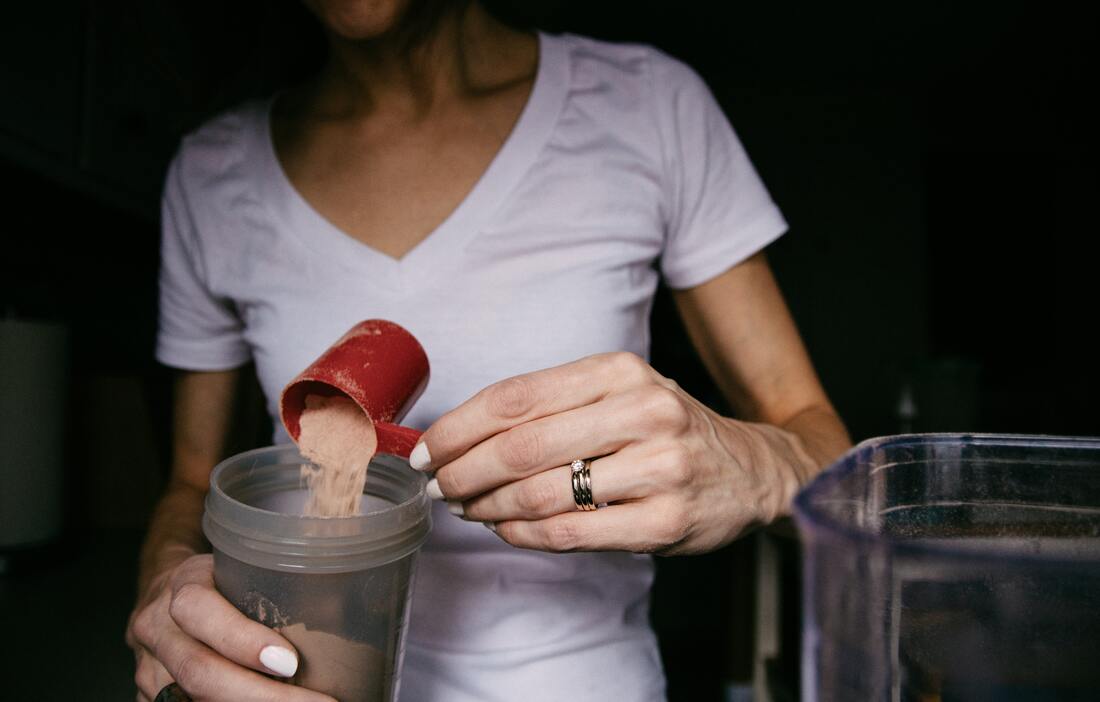
[Copy of my weekly newsletter] Please enjoy my hand-picked 4 Most Valuable pieces of content that I found this week, to help you live longer better.
These four topics stood out to me (click the links below):
Plus, can drinking apple cider vinegar help you lose weight
[Copy of my weekly newsletter] Here are my hand-picked 4 Most Valuable pieces of content that I found this week, to help you live longer better.
These four topics stood out to me (click the links in the body below):
Plus, understanding why you hit an early diet plateau will help you keep going
[Copy of my Weekly Newsletter] Here are my hand-picked 4 Most Valuable pieces of content that I found this week, to help you live longer better.
These four topics stood out to me (click the links below):
Plus, how to improve your cognitive fitness
[Copy of my weekly Newsletter] Here are my hand-picked 4 Most Valuable pieces of content that I found this week, to help you live longer better.
These four topics stood out to me (click the links below):
Plus, How you can get started with pushups at home, even if you have never done one before
[Copy of my weekly newsletter] Please enjoy my 4 Most Valuable pieces of content that I found to help you live longer better.
Firstly, a small tip: you'll always get the most bang for your exercise buck if you combine various full range of motion compound exercises including bodyweight, cable / band work and free weights. That means eliminating using gym machines - unless you are too weak to stand. These four topics stood out to me this week:
Plus, how to not carry your Xmas weight gain forwardAs we head towards Xmas, here are this week's 4 Most Valuable pieces of content that I found to help you live longer better. These four articles stood out to me this week are:

|
ChoicesSince I was diagnosed at 50 with Type 2 diabetes I've been learning how to do bone-building fitness training which lowers my age. You can too. It's your choice. Walter Categories
All
Archives
November 2025
|


RSS Feed