|
SEARCH My Blog (Opens in new tab)
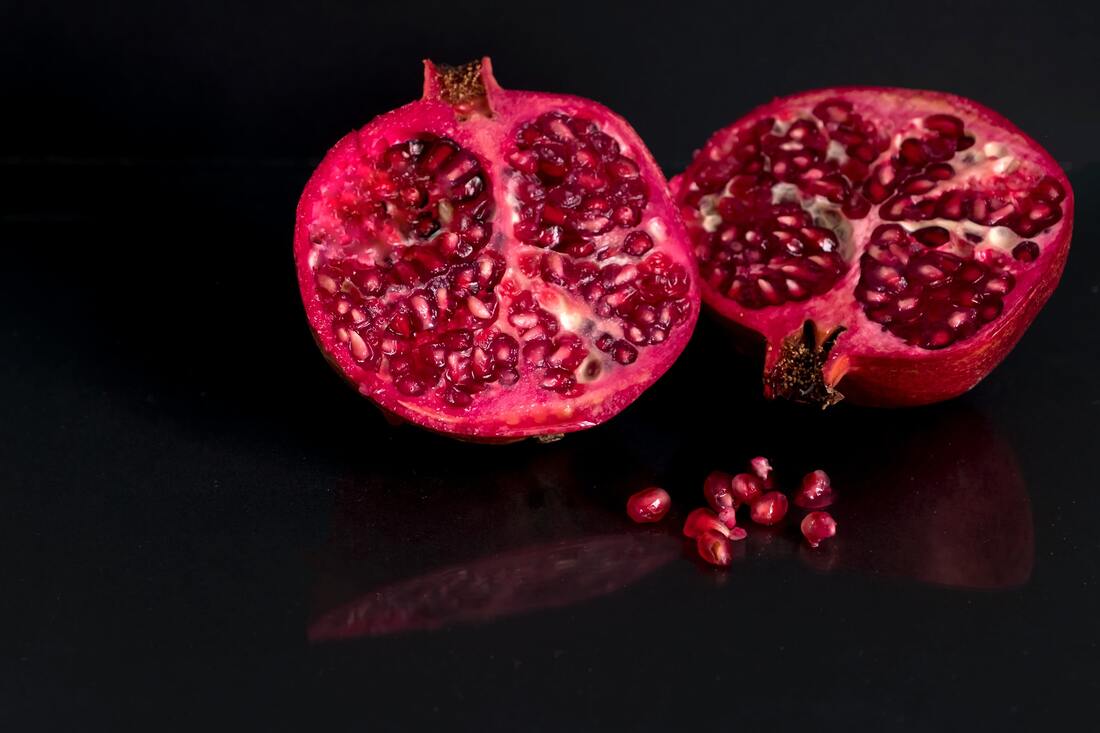 Photo by Marco Secchi on Unsplash Including helping maintain healthy blood pressureHigh blood pressure is a leading cause of cardiovascular disease in developed countries. Yet some countries, such as Italy and Japan, have low rates of high blood pressure and lower mortality rates due to CVD. That's not because they all go to the gym 5 times a week or due CrossFit. The reason is far less complicated and available to everyone. They eat more fruit and vegetables, and in particular more nitrate-rich vegetables. Systemic hypertension - high blood pressure - remains the most significant attributable risk factor for mortality worldwide. Each 2 mm Hg increase in systolic blood pressure (BP) increases mortality due to ischemic heart disease and stroke by 7% and 10%, respectively. Healthy functioning of our blood vessels (vascular health) requires both the presence of nitrite and nitric oxide, which are derived from nitrates and nitrites in our diet. Amazingly, until 20 years ago, nitrate was perceived as a purely harmful dietary component. Then, it was discovered that nitrate is a crucial part of our bodies' defences against gastroenteritis and plays a key role in sustaining vascular health. Interestingly, both potassium nitrite, in 1880, and potassium nitrate, in 8th century China, were known to help treat high blood pressure and angina. Dietary nitrate is crucial in supporting the tone of our vascular muscles, regulating local cell growth, and protecting our blood vessel walls against injury. Bacteria in our mouth and gastrointestinal tract are responsible for converting nitrates in food into forms used by our body. In people suffering from most cardiovascular diseases, including hypertension, have diminished levels of nitrate metabolism. Increasing evidence suggests that dietary nitrates are associated with reduced risk of cardiovascular disease because of their beneficial effects on vascular health. Also, a diet high in nitrates sustained lower blood pressure (in hypertensive patients in a randomized, double-blind, placebo-controlled study). For these reasons - general vascular health and lower blood pressure, it makes sense to add nitrate-rich foods to our daily diet. Where do dietary nitrates come from?Commercially, the emerging benefits of vegetable nitrates has been manifested as the beetroot juice fad, especially as an exercise supplement. However, nitrate intake should not be seen as a supplement, but as a regular part of a proper diet, as in many European countries. Most countries with a healthy balance of fruit and vegetables get 10 to 20-times the nitrates from the vegetables in their diet, as compared to fruits. Vegetables are the easiest way, so let's take a look at the best vegetables. Dietary nitrate intake varies by the type of vegetable consumed, the levels of nitrate in the vegetables (including the nitrate content of fertilizer), the amount consumed, and the level of nitrate in the water supply. As such, the nitrate content of organic vegetables may be less than that of vegetables grown in the presence of nitrogen-containing fertilizers. Epidemiologic studies have shown that green leafy vegetables are among the foods most protective against cardiovascular diseases, for example, lettuce, spinach and rocket in the Mediterranean diet. In terms of plant anatomy, the nitrate content of vegetable organs can be listed in descending order (most to least) as petiole > leaf > stem > root > inflorescence > tuber > bulb > fruit > seed. Other foods can increase the generation of nitric oxide in the gastrointestinal tract via the polyphenolic content of, for example, apples or oranges (if you eat the whole orange). Perhaps surprisingly, black tea but not green tea benefits the polyphenolic content of our gut and may assist nitrate production. Pomegranate juice is known to protect nitric oxide from oxidation while enhancing its biological activity. That's a good thing. What to include in your diet to help lower your blood pressureThe food to include in your diet is nothing weird and wonderful. There are food and juice serving recommendations for vegetables and fruit based on the Dietary Approaches to Stop Hypertension (DASH) dietary pattern. The DASH studies found that diets rich in vegetables (i.e., 8–10 servings) and low-fat dairy products can lower blood pressure to an extent similar to that achieved with single hypotensive medications. DASH has a high-nitrate high-nitrite recommendation which includes:
You can mix-and-match the DASH recommendations with other nitrate-rich choices as well if these are foods you prefer:
Adding these to your daily diet will assist you in maintaining healthy blood pressure, and in maintaining the health of your arteries, veins and capillaries - no pills required. If you prefer a pill, then desiccated vegetable dietary supplements have high nitrate and nitrite concentrations - google here. How about the legendary beetroot juice? Recent research (2019) found that only five products of 45 tested "consistently provided ≥5 mmol of NO3- per serving, which seems to be the minimal dose required to enhance exercise performance in most individuals". Nitrate contents in the commercially available juices tested were generally low. You might get more value from consistently eating your veggies. > More posts to help you with EXERCISES > More posts to help you with DIABETES > If you are a @MEDIUM reader my publication Body Age Buster has hundreds of categorised posts which I have written especially for men and women over 50. Follow me on Quora for more health and fitness tips.
If you valued this article >> Follow me Leave a comment >> Share it >> Stay healthy If you have any questions email me and I will get back to you. |
ChoicesSince I was diagnosed at 50 with Type 2 diabetes I've been learning how to do bone-building fitness training which lowers my age. You can too. It's your choice. Walter Categories
All
Archives
May 2023



My 300 Health And Fitness Answers On Quora

⭑Medium Top Writer on Food⭑
|
 RSS Feed